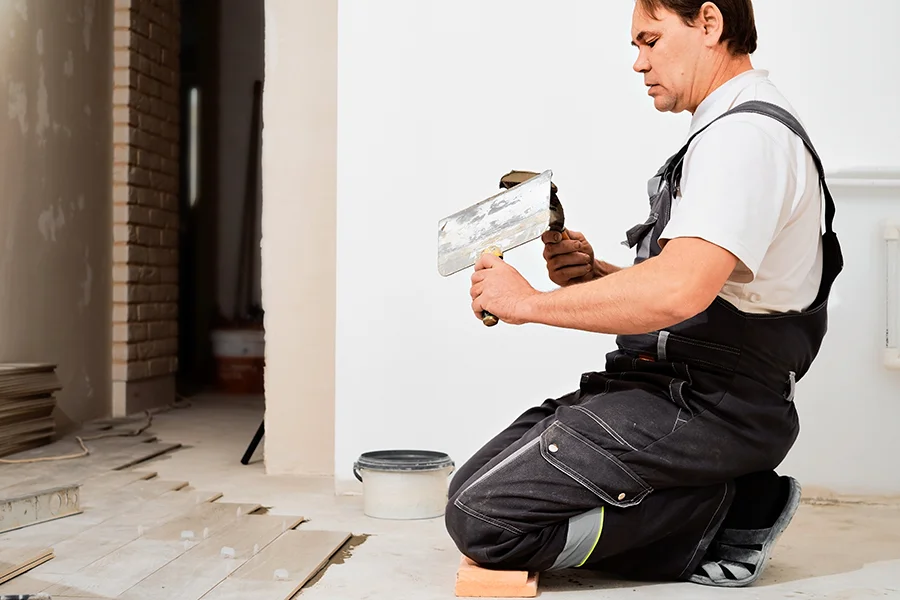
Planning for Repairs and Replacements of Older Facilities
As HOA communities mature, so do their physical assets. Roads, roofs, plumbing systems, fences, clubhouses, and recreational amenities; these were all built with a limited lifespan in mind. As the years pass, wear and tear become unavoidable, and what once required basic maintenance now demands major repair or full replacement. For homeowner associations, aging infrastructure presents a financial and operational challenge that cannot be ignored.
Deferred maintenance and reactive repairs can lead to rising costs, declining property values, and dissatisfaction among residents. Conversely, HOAs that take a proactive, structured approach to infrastructure planning will be better positioned to preserve their communities, protect their reserves, and maintain resident trust. The key is anticipating needs before they become crises.
Recognizing the Warning Signs of Aging Infrastructure
It’s easy for boards to become focused on day-to-day operations and overlook the slow decline of long-standing facilities. However, small signs often foreshadow larger issues. Cracked pavement, water leaks, stained ceilings, corroded pipes, or outdated electrical panels may not seem urgent at first, but they typically point to systems reaching the end of their usable life.
HOAs should make a point to regularly walk the property and document recurring issues or visible signs of deterioration. Over time, patterns emerge especially in communities that are 20 to 30 years old or older. Keeping maintenance logs, inspection reports, and resident feedback centralized allows boards to build a clearer picture of infrastructure health.
Using Reserve Studies as a Planning Foundation
A well-maintained and regularly updated reserve study is one of the most important tools for planning infrastructure repair and replacement. Reserve studies assess the condition, lifespan, and replacement cost of major shared components, providing a long-term roadmap for funding capital improvements.
For older communities, it’s especially critical that reserve studies are:
- Conducted or updated at least every three to five years
- Based on current pricing and material availability
- Reviewed annually during budget planning
- Integrated into the board’s capital improvement plan
If your reserve study is outdated or does not reflect actual site conditions, it’s time for a new one. An accurate study is the difference between preparing for a $200,000 roof replacement over five years or having to levy a special assessment when failure is imminent.
Prioritizing Repairs Through Risk and Impact
Not every infrastructure issue requires immediate action. But knowing how to prioritize projects is key to preserving community function and financial stability. Boards should rank needed repairs and replacements based on several factors: safety, cost escalation risk, visual or functional deterioration, and potential to cause additional damage if left unaddressed.
For example, a leaking water main can cause costly structural damage and warrants urgent attention, while faded signage or worn-out benches may be low-priority. This prioritization helps boards focus limited funds where they’re most needed and communicate their decisions clearly to homeowners.
Creating a Multi-Year Capital Plan
Planning beyond the current fiscal year is essential for infrastructure sustainability. Boards should work with property managers, reserve study providers, and contractors to create a rolling five- to ten-year capital plan that maps out anticipated projects, timelines, and funding sources.
An effective capital plan should include:
- A year-by-year list of projected major repairs or replacements
- Estimated costs based on current market conditions
- Anticipated funding sources (reserves, special assessments, loans)
- A contingency margin for inflation and unexpected issues
This plan not only helps ensure financial readiness, but also builds transparency with residents, who are more likely to support dues increases or reserve contributions when they understand the long-term needs.
Engaging Professionals for Condition Assessments
While board members and residents may notice surface issues, many infrastructure problems – especially in plumbing, electrical systems, or structural components require expert evaluation. Regular condition assessments by licensed engineers, inspectors, or specialists can help identify hidden problems and offer technical guidance for repairs.
Common assessments include:
- Structural inspections of buildings, retaining walls, and decks
- Sewer line or plumbing system evaluations using camera inspections
- Roof condition reports and core sampling
- Electrical load testing and code compliance reviews
Professional evaluations not only improve decision-making, but also provide documentation that can support reserve study updates and contractor negotiations.
Funding Strategies for Older Infrastructure
As repairs become more frequent and replacements more expensive, many HOAs find that their reserves fall short. Boards must explore all available funding options while balancing fairness and fiscal responsibility.
Funding strategies may include:
- Increasing reserve contributions gradually through the annual budget process
- Implementing special assessments for large, one-time projects
- Applying for HOA-specific financing or lines of credit for capital improvements
- Phasing projects over several years to reduce cost spikes
It’s also wise to investigate local, state, or utility-based grants and rebate programs, especially for infrastructure upgrades involving energy, water, or sustainability improvements.
Communicating with Residents and Managing Expectations
Repairing or replacing aging infrastructure is not just a financial issue, it’s a community engagement issue. Residents want to know what’s happening, why it’s necessary, and how it will affect them. Boards should approach communication with honesty, consistency, and clarity.
Best practices include:
- Holding information sessions or town halls for major projects
- Publishing visual updates and timelines in newsletters or on HOA portals
- Clearly explaining how decisions are made and how funds are being used
- Offering advance notice of disruptions or access limitations
When residents feel informed and included in the process, they’re more likely to support the board’s efforts even when repairs involve temporary inconvenience or additional cost.
Final Thoughts
As communities age, so does the infrastructure that supports them. HOAs that take a reactive approach to these challenges may find themselves underfunded, overwhelmed, and facing resident dissatisfaction. But those that invest in proactive planning, accurate reserve studies, and ongoing assessment will be better positioned to preserve their assets, protect home values, and maintain the trust of their members.
Preparing for infrastructure aging is not just about repairs – it’s about strategic governance. And the sooner an HOA begins the process, the more control it will have over the costs, outcomes, and long-term health of the community.